Shifting well is usually treated as reflex training. It is partly that, but the target you are aiming at is set by your tune, and understanding the link makes the reflex far easier to build.
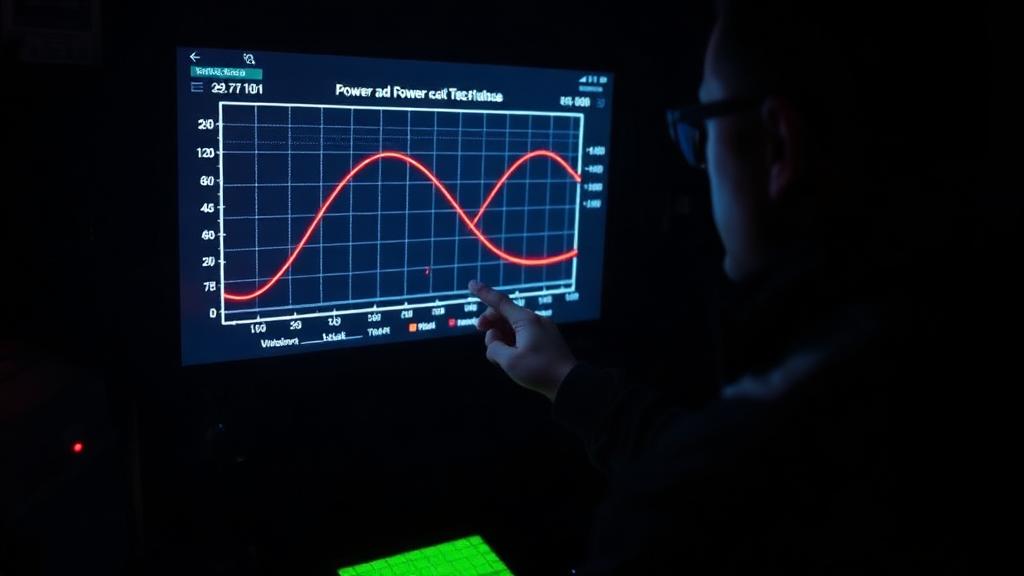
The curve decides the target
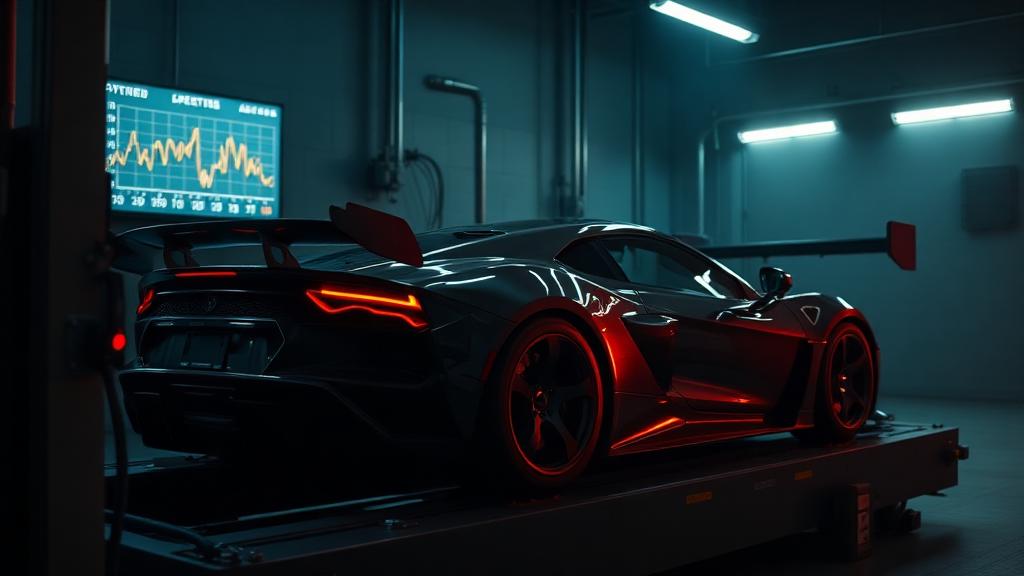
Your car makes its useful power over a band, not at a point. The best shift lands you in the next gear inside that band. Shift too early and you drop below it; shift too late and you spend time above it making less than you could.
Why the zone moves after tuning
Change the final drive and every gear covers a different span of road speed. The shift point that felt natural yesterday now arrives at a different moment. If your shifts got worse after a tune change, your timing is not broken — the target moved.
Building a map
Run the race and note, gear by gear, whether the car felt like it was pulling hard through the change or bogging afterwards. Two or three runs is enough to identify which gear is the problem child. Almost every car has one.
Practising against a cue
Once you know which shift matters, pick an external cue for it rather than watching the bar. A fixed point on the track, or the sound of the engine settling, is far more repeatable under pressure than staring at a moving indicator.
The gear that decides the race
In most short races, one specific shift decides the outcome — usually an early one, because a mistake there compounds through the whole run. Practise that one until it is automatic and leave the rest alone.
Re-check after every upgrade
Upgrades reshape the curve. Treat any significant upgrade as a signal to re-run the mapping, or you will be aiming at a target that no longer exists.
Related CSR2MODX reading: CSR2 tuning hub · Best cars · Car database
- tuning
- shifting
- dyno