TuningIntermediate
Tuning Fundamentals: Reading the Dyno Like an Engineer
Learn to read the CSR2 dyno like an engineer: power band, shift points, and why the dyno number is only the start.
9 min read26 Aug 2026
Copying a stranger's slider positions works until the car, the race length or the upgrade level changes. Everything in this hub teaches the reasoning instead — for stock players and for anyone researching CSR2 mods who still wants to understand the car underneath.
14 guides in this hub

Tyre pressure and the front/rear balance decide how much of your power reaches the road. Nothing else you change matters until launches stop spinning.
Short races want the car to be pulling hard early; longer races want it to still be pulling at the end. Choose for the race you will actually enter.
Deployment consistency beats deployment cleverness. Pick a cue you cannot miss, then tune power and duration around it.
One variable per test, written down. A tune log is the difference between learning and guessing.
Learn to read the CSR2 dyno like an engineer: power band, shift points, and why the dyno number is only the start.
More power on a car that already spins is money spent on wheelspin. Here is how to tell which side you are short on.
One car, two tunes. Race length changes which part of the run decides the result.
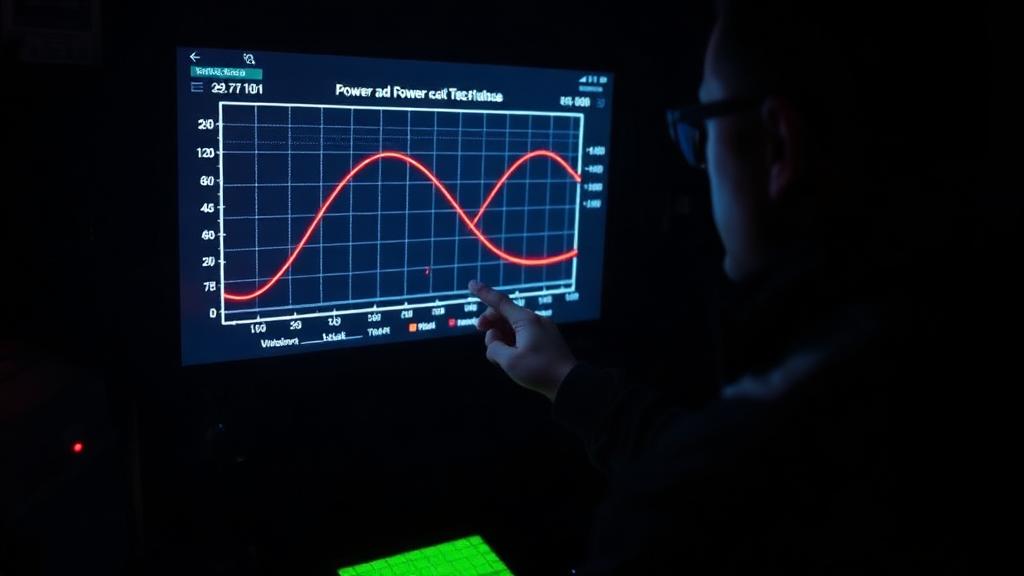
Where the green zone sits is not random. It follows your power curve, and it moves when you tune.

The cheapest performance upgrade in CSR2 is writing down what you already did.
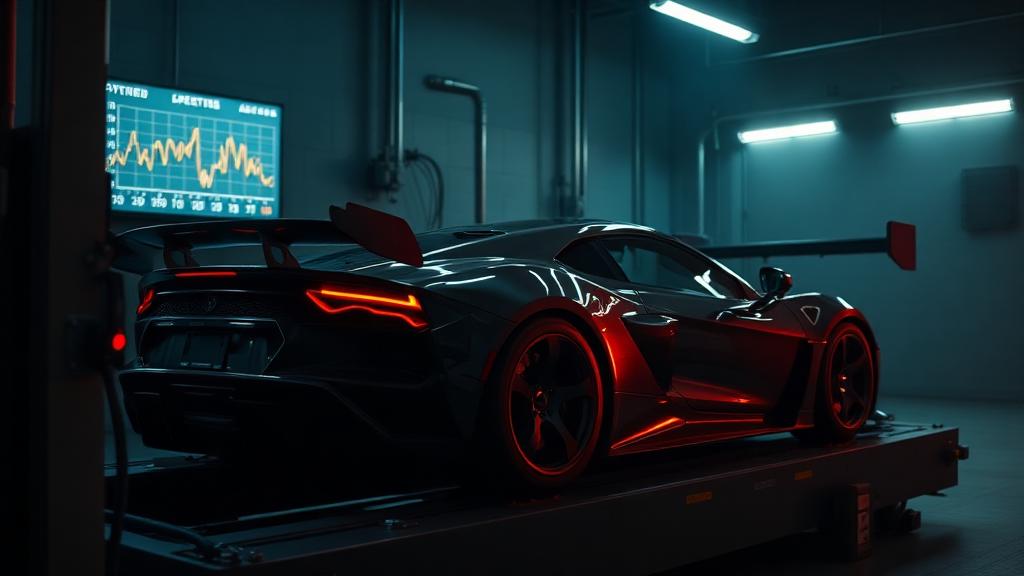
A step-by-step routine for going from a freshly upgraded car to a tune you trust, without copying anybody else numbers.
Nitrous is two settings and one decision. Get the decision right and the settings become obvious.
Tyre pressure is a grip dial, not a speed dial. Lower is only better while you still have wheelspin to solve.
Final drive is the single most useful dial on the tuning screen. Here is what it actually trades, and how to set it for a given race length.

The shift bar is not random. Learn where the green zone actually sits, why it moves after a tune change, and drills to make perfect shifts muscle memory.
Deployment timing is a learnable skill. These drills make it automatic instead of instinctive.

The launch decides more short races than any tune change. Here is how to make a clean one repeatable.

Tier 5 is where the economy gets brutal. This guide covers which endgame cars hold value, and how to build one that survives a year of updates.

Deep endgame builds are expensive and mostly irreversible. Decide slowly.
The car database carries per-car tuning notes: where each car tends to lose time, and which part of the workflow matters most for it.
Stop guessing — tune your next car with a method, or read the CSR2 mods explainer first.