The three dials
Final drive controls how quickly you run out of gear. Shorter drive equals faster acceleration and a lower top speed.
Tyre pressure changes grip off the line. Lower pressure helps traction-limited cars; too low and you bleed speed at the top end.
Nitrous has two settings that matter: how long it lasts and how hard it hits.
Match the tune to the distance
- Quarter mile: balance. You want to just reach redline in top gear at the line.
- Half mile: longer gearing. Top speed carries the run.
- Ladder and crew races: tune for the specific opponent, not for a leaderboard time.
The overlap test
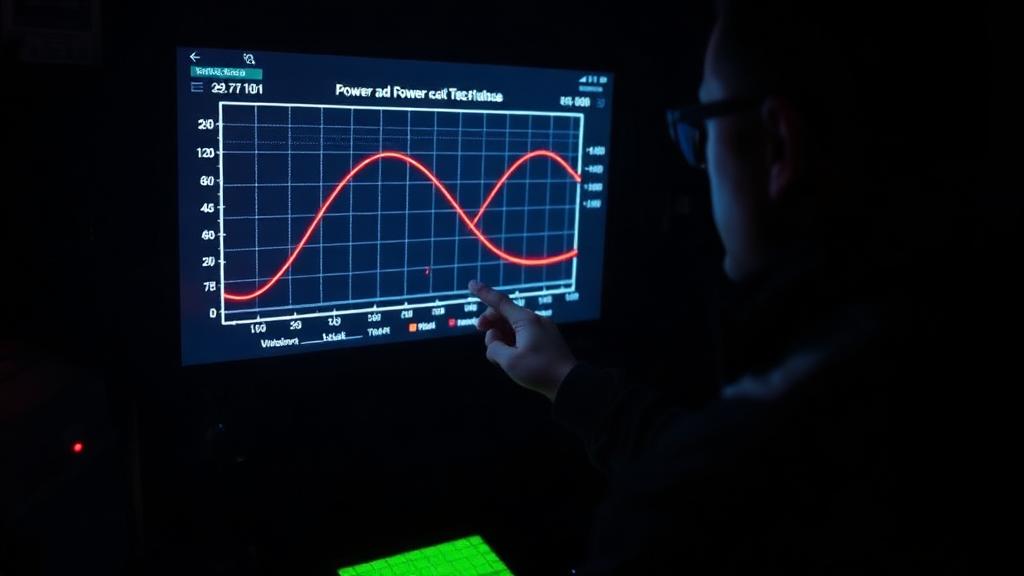
Watch the dyno curves overlap between gears. Gaps mean you are dropping out of the power band on every shift. Close the gaps first, then chase top speed.
Nitrous placement
Fire nitrous where your acceleration curve is flattest, usually the middle of third or fourth gear. Firing off the line wastes most of it on wheelspin.
Save your tunes
Write your tunes down outside the game. CSR2 keeps one tune per car, and a good half-mile tune is easy to lose in a hurry.
Related CSR2MODX reading: CSR2 tuning hub · Best cars · Car database
- tuning
- dyno
- final-drive